Driving Traffic With Website Development, Explained
Website traffic is important for companies of all sizes, especially small and medium-sized independent businesses. A key goal of hosting a website is...
Website Design
Web Hosting
Website Refresh™
Search Engine Optimization
| Branding | |
| Media Buying | |
| Graphic Design | |
| Copywriting | |
| Public Relations |
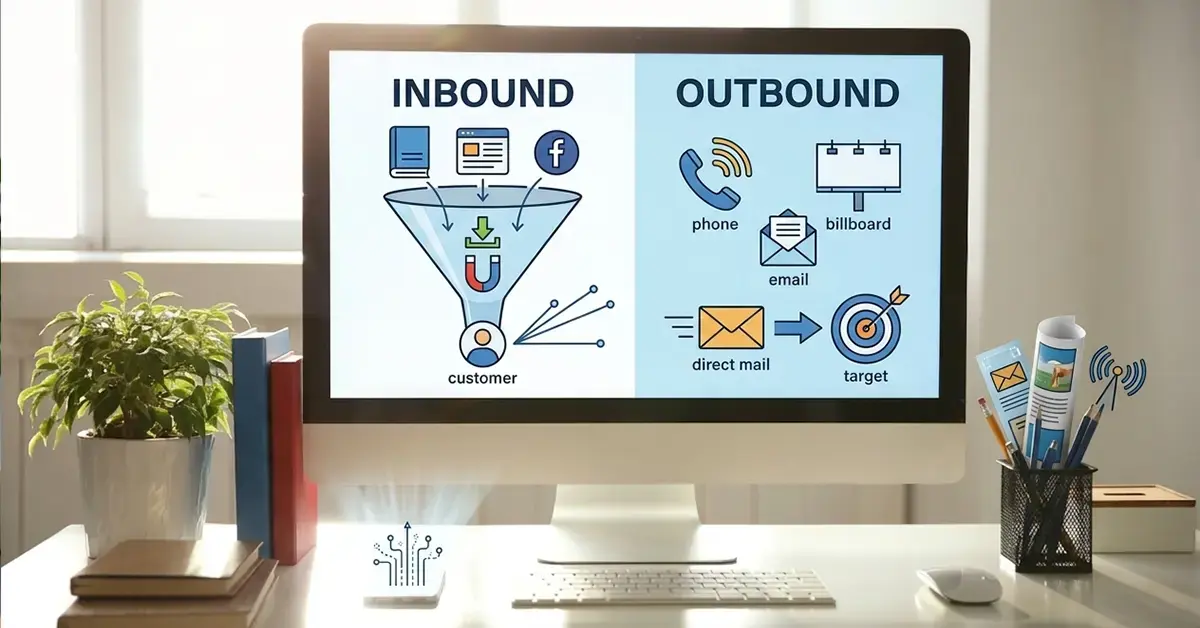
Marketing strategies generally fall into one of two categories: inbound and outbound. Both can drive leads and grow a business, but work in fundamentally different ways and serve different goals depending on where your customers are in the buying process. Comparing the two helps you make smarter decisions about where to invest your budget and effort.
If you are new to inbound marketing, our overview of what inbound marketing is and why it matters is a good place to start.
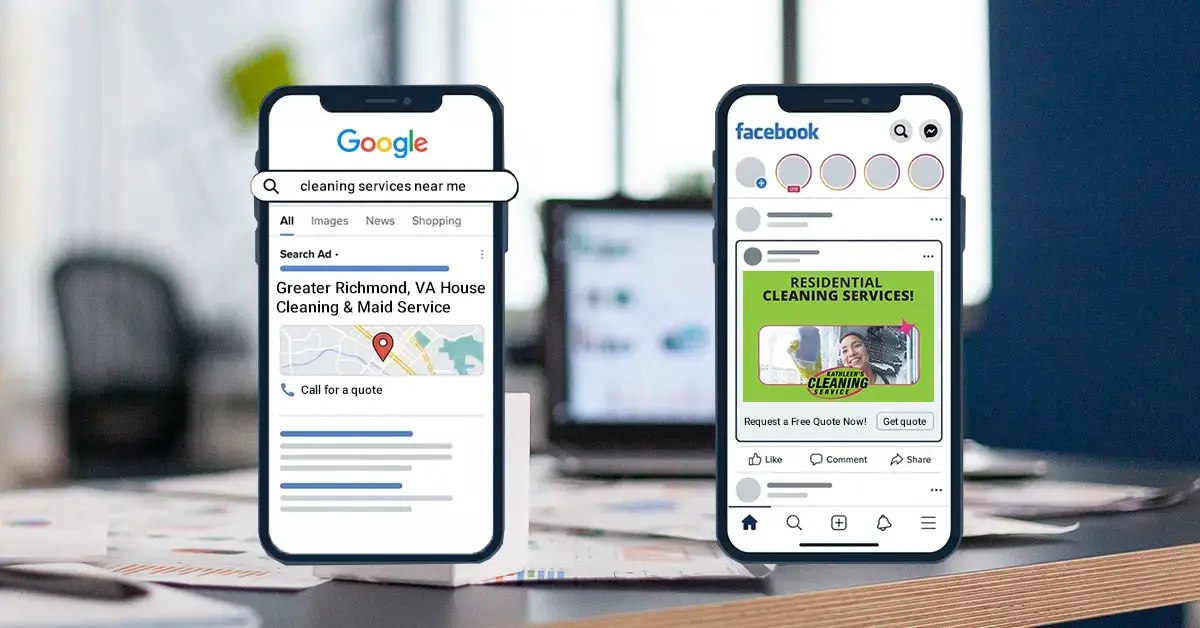
Inbound marketing focuses on attracting people who are already looking for information, solutions, or services related to what you offer. This approach can take longer to yield results, between 3 and 6 months to see traffic and leads.
Inbound marketing earns attention by creating valuable content that people actively seek out, such as:
The core idea behind inbound is earning attention rather than interrupting for it. When someone searches for an answer to a question and finds a helpful blog post, watches an informative video, or downloads a useful guide, that is inbound marketing working as intended. The user comes to you because your content is relevant to what they need.
Outbound marketing is the traditional approach most people are familiar with, which pushes a message out to a broad audience through channels like:
The goal is to reach as many people as possible and aim to interest a portion of them in what you offer. Outbound marketing can generate fast visibility, and you can potentially see results within a few days to weeks, particularly for brand awareness campaigns or product launches.
The trade-off is that it tends to reach many people who are not yet in the market for your product or service, which can make it less efficient from a cost-per-lead perspective.
The most significant difference between the two approaches is intent. Outbound reaches people regardless of whether they are actively looking for what you offer. Inbound reaches people when they are seeking information or solutions, which tends to produce higher-quality leads.
A few other differences:
Neither approach is universally better, and the right choice depends on your goals, timeline, and budget. Businesses that need fast visibility or are launching a new product or service may benefit from outbound tactics. Businesses focused on long-term lead generation and building authority in their market tend to see stronger returns from inbound.
Many businesses benefit from using both in their marketing strategy. Outbound channels can drive immediate awareness while inbound content builds a foundation that generates leads over time. Working with an inbound marketing service partner helps ensure the two approaches work together rather than pull in different directions.
Advanté-BCS works with businesses to develop marketing strategies that combine the right mix of inbound and outbound tactics based on your goals and audience. Request a quote online or call (804) 788-0048 to get started.
Website traffic is important for companies of all sizes, especially small and medium-sized independent businesses. A key goal of hosting a website is...
The way people search for information online continues to change, especially as generative AI reshapes search engines. Traditional search engine...
Creating engaging content is only the first step in leveraging the full potential of your website’s blog. Well-crafted content should drive traffic...