<img height="1" width="1" style="display:none" src="https://www.facebook.com/tr?id=2559878820911712&amp;ev=PageView&amp;noscript=1">
Skip to the main content.
Digital Services

   Web Services

    Website Design
    Web Hosting
    Website Refresh™
    Search Engine Optimization

   Paid Advertising

    Google Ads Management
    Facebook Ads Management


   Service Bundles

    For Small Companies
    For Growing Companies
    For Established Companies

Agency Services

builds brand awareness icon Branding
multi-platform advertising icon Media Buying
graphic design icon Graphic Design
copywriting icon Copywriting
Builds trust with your audience icon Public Relations


2 min read

Google Ads vs. Facebook Ads: Which Platform Is Right for You?

Google Ads vs. Facebook Ads: Which Platform Is Right for You?
4:42

Google Ads and Facebook Ads are two of the most widely used paid advertising platforms available to businesses today. Both can generate leads, drive traffic, and grow brand awareness, but they work in fundamentally different ways.

Choosing between them, or deciding how to use both, comes down to understanding what each platform does well and how your customers typically search for and discover businesses like yours.

How Each Platform Reaches Users

The most important distinction between Google Ads and Facebook Ads is intent.

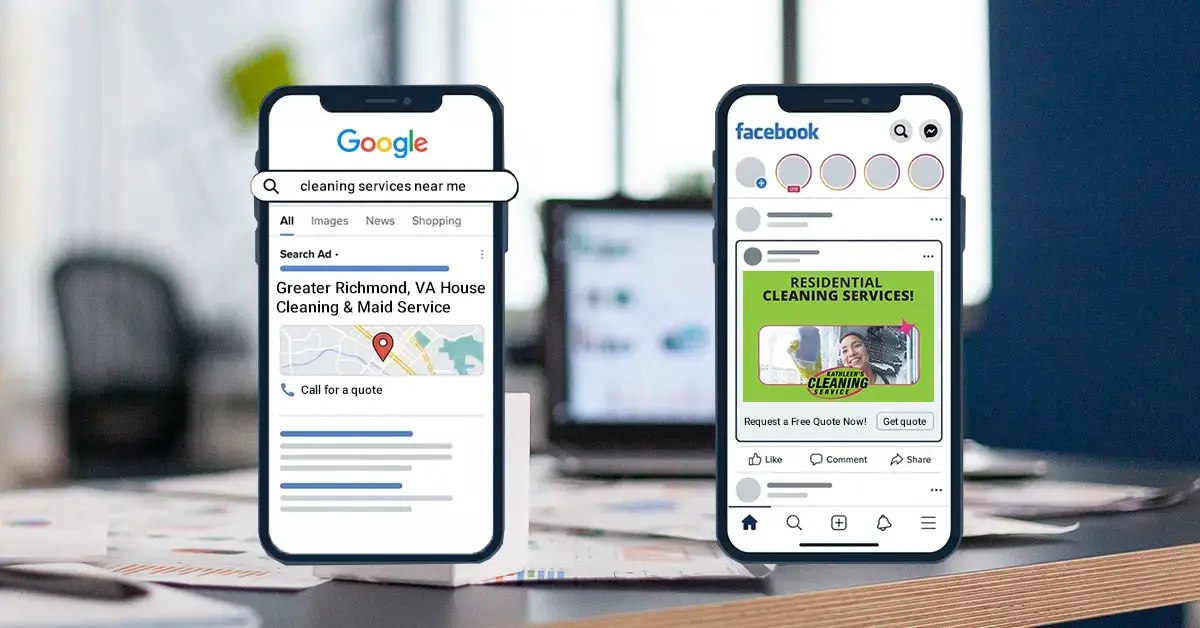
Google Ads targets users based on what they are actively searching for. When someone types a query into Google, they are signaling a need for a service, a product, or an answer. Google Ads puts your business in front of that person at the moment of intent.

Rather than responding to searches, Facebook Ads targets users based on who they are, their interests, demographics, behaviors, and connections. Users are not searching for your business when they see a Facebook ad, they are browsing their feed. The ad interrupts their experience rather than responding to a question.

Neither approach is inherently better. They serve different purposes and different stages of the customer journey.

Strengths of Google Ads

Google Ads excels at capturing demand that already exists. If people are actively searching for what you offer, Google Ads is one of the most efficient ways to reach them. This makes it particularly strong for:

  • Service-based businesses
  • Local businesses
  • Companies where customers typically search before making a decision

Search ads also tend to reach users who are closer to taking action. Someone searching for "emergency plumber near me" or "traffic attorney Richmond, VA" has a clear and immediate need. That high intent often translates into stronger conversion rates compared to interruption-based advertising.

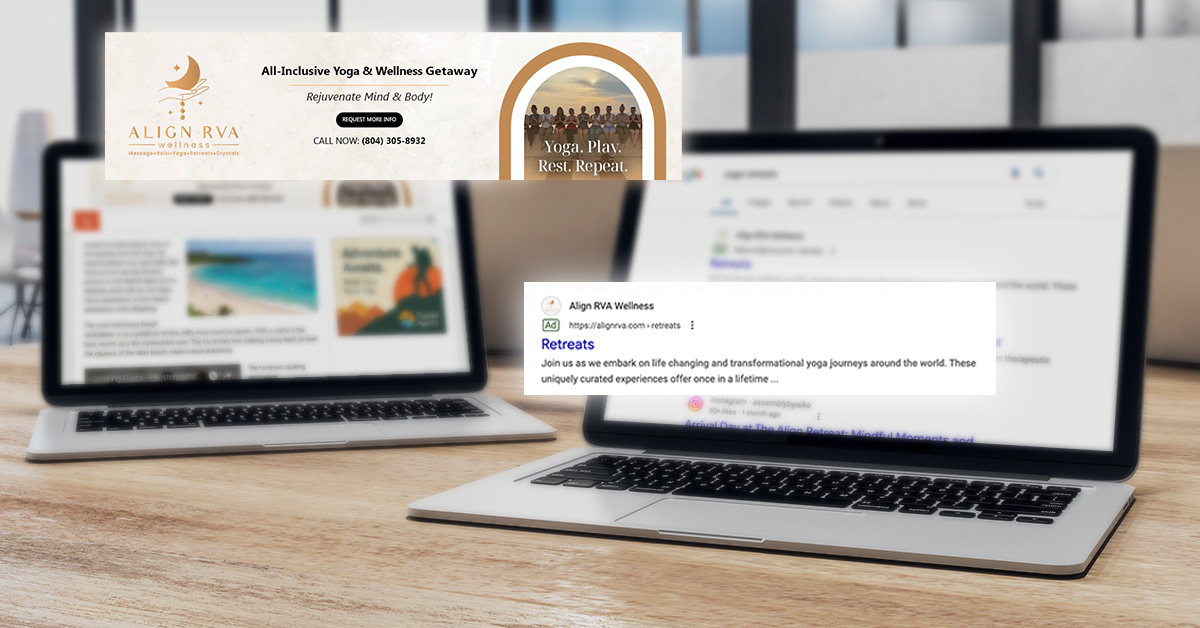
For businesses that want to appear in local search results alongside their local map listing, Google Ads and search engine optimization work together to maximize visibility when it counts most.

Strengths of Facebook Ads

Facebook Ads, also known as Meta Ads, include Instagram placements through Meta's ad platform and are built for audience targeting. The platform holds a significant amount of data about its users, allowing advertisers to reach very specific segments based on age, location, interests, job title, and more.

This makes Facebook advertising management a strong option for:

  • Businesses launching new products
  • Building brand awareness
  • Reaching audiences who may not yet know they need what you offer

It is also effective for retargeting, showing ads to users who have already visited your website or engaged with your content.

Cost Comparison

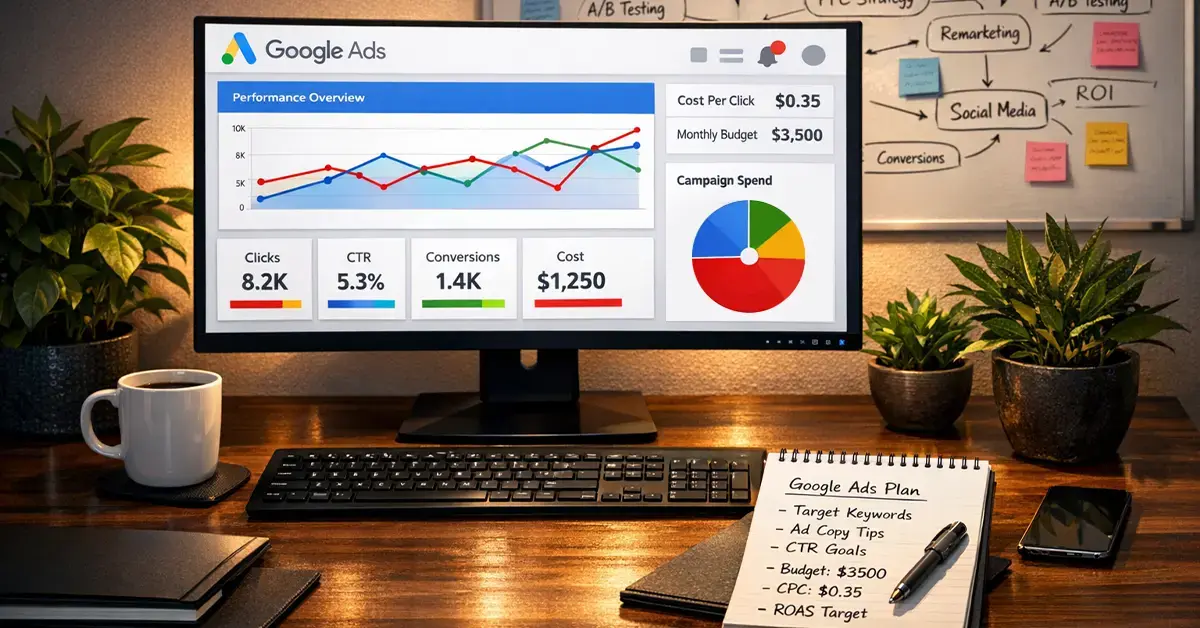
Google Ads generally carries a higher cost per click, driven by the competitive bidding environment for high-intent search terms. Facebook Ads tend to be less expensive per click on average, but the value of those clicks depends heavily on the audience, the offer, and how well the creative resonates.

For businesses with limited budgets, the more important question is not which platform costs less but which one is more likely to deliver a return given your specific goals and customer behavior.

Which Platform Is Right for Your Business?

Start with your customer, and think about how someone who needs your product or service typically finds it.

If they search Google, start there. Google Ads tends to work better when your customers already know they need what you offer and are actively searching for it. Home services, legal, medical, and professional services businesses often see strong results here.

If they discover businesses like yours through social media or word of mouth, Facebook may be a stronger entry point. Facebook Ads tend to work better when you need to build awareness, reach a specific demographic, or market something that people are not yet searching for.

Many businesses benefit from running both platforms with different goals in mind, using Google Ads to capture active searchers and Facebook Ads to build and nurture a broader audience over time. A digital marketing agency in Richmond, VA, can help you determine the right allocation based on your budget and objectives.

Start Reaching Your Audience on the Right Platform

Advanté-BCS works with businesses to develop paid advertising strategies across both platforms, focused on where your budget will have the greatest impact. Request a quote online or call (804) 788-0048 to talk through your options.

How Much Do Google Ads Cost?

1 min read

How Much Do Google Ads Cost?

Google Ads can be one of the most direct ways to put your business in front of people who are already searching for what you offer. Before committing...

Read More
Google Display Ads vs. Search Ads: What's the Difference?

1 min read

Google Display Ads vs. Search Ads: What's the Difference?

The internet provides an opportunity to target potential customers who have already shown interest in your product or service. Google Ads offers...

Read More
Are Google Ads Worth It? A Guide for Small Businesses

1 min read

Are Google Ads Worth It? A Guide for Small Businesses

Whether Google Ads is worth the investment is one of the most common questions small business owners ask before committing budget to paid...

Read More