

<img height="1" width="1" style="display:none" src="https://www.facebook.com/tr?id=2559878820911712&amp;ev=PageView&amp;noscript=1">
Skip to the main content.
Digital Services

   Web Services

    Website Design
    Web Hosting
    Website Refresh™
    Search Engine Optimization

   Paid Advertising

    Google Ads Management
    Facebook Ads Management


   Service Bundles

    For Small Companies
    For Growing Companies
    For Established Companies

Agency Services

builds brand awareness icon Branding
multi-platform advertising icon Media Buying
graphic design icon Graphic Design
copywriting icon Copywriting
Builds trust with your audience icon Public Relations


2 min read

The 4 Inbound Marketing Stages

Graphic showing the stages of an inbound marketing funnel from lead generation to customer conversion on a designer's monitor
The 4 Inbound Marketing Stages
4:14

Inbound marketing is not a single tactic but a strategy made up of connected stages, each designed to move a potential customer closer to a decision. Each stage has a distinct role, and when they work together, the result is a strategy that is intentional at every step rather than relying on any single channel or piece of content to do all the work.

Stage 1: Attract

The first stage of inbound marketing is attracting the right audience to your content and your brand. This is where search engine optimization, blog content, social media, and other discovery channels do their work. The goal is not to reach everyone but to reach the people most likely to benefit from what you offer.

Effective attraction starts with understanding what your target audience is searching for and creating content that provides genuine value around those topics. A business that consistently publishes helpful, well-optimized content builds organic visibility over time and becomes a trusted resource for the people most likely to become customers.

Stage 2: Convert

Once someone finds your content and visits your website, the next stage is converting that visitor into a lead. Clear calls to action, landing pages, and lead capture tools are all essential here, and giving visitors a compelling reason to share their contact information is what makes conversion happen.

Effective lead capture offers include:

  • Downloadable resources like guides, checklists, or templates
  • Free consultation offers or discovery calls
  • Newsletter signups that deliver ongoing value

Conversion rate depends heavily on how well your content and landing pages align with what the visitor was looking for. A visitor who found your site by searching for a specific solution and lands on a page that directly addresses that solution is far more likely to convert than one who lands on a generic homepage.

Stage 3: Close

The close stage is where leads become customers. This involves lead nurturing through email sequences, follow-up content, and personalized communication that builds trust and keeps your business top of mind as the prospect moves toward a decision. Not every lead is ready to buy immediately, and a well-designed nurture process ensures you stay relevant throughout their decision-making timeline.

A few tactics that support the close stage effectively:

  • Email sequences that deliver helpful content based on where the lead is in the buying process
  • Retargeting campaigns that keep your brand visible to leads who have already engaged with your content
  • Direct outreach or consultation offers that give warm leads an easy next step

Stage 4: Delight

The delight stage focuses on turning customers into advocates by continuing to deliver value after the transaction. This includes helpful onboarding content, proactive communication, check-ins, and resources that help customers get the most out of what they purchased.

Customers who feel well-served are far more likely to refer others, leave positive reviews, and return for additional services. That word-of-mouth and loyalty compound over time and become one of the most valuable byproducts of a well-executed inbound marketing service strategy.

How the Inbound Marketing Stages Work Together

Each stage of inbound marketing feeds into the next, so it's essential to know how they work together for a successful campaign. Attraction without conversion produces traffic that does not generate leads, and conversion without nurturing produces leads that go cold. Closing without delighting produces customers who do not return or refer. The stages are most effective when they are designed as a connected system rather than isolated efforts.

Working with a digital marketing agency in Richmond, VA ensures each stage of your inbound strategy is built with the next one in mind, creating a system that moves people from first contact to loyal customer consistently and efficiently.

Ready to Build a Full-Funnel Inbound Strategy?

Advanté-BCS helps businesses develop inbound marketing systems that work at every stage of the customer journey. Request a quote online or call (804) 788-0048 to get started.

How Inbound Marketing Generates Better Leads

1 min read

How Inbound Marketing Generates Better Leads

Generating leads is the goal behind most marketing efforts, but not all lead generation strategies are created equal. Inbound marketing lead...
Read More
Inbound vs. Outbound Marketing

1 min read

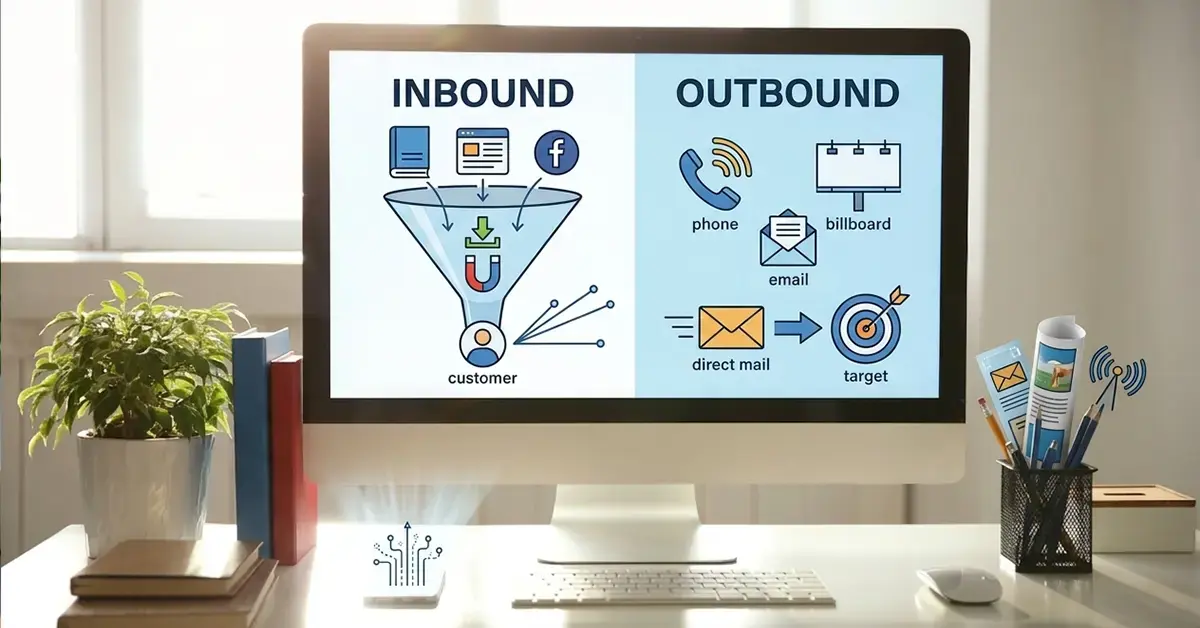
Inbound vs. Outbound Marketing

Marketing strategies generally fall into one of two categories: inbound and outbound. Both can drive leads and grow a business, but work in...

Read More
Google Ads Benchmarks: What Are Good Click-Through and Conversion Rates?

1 min read

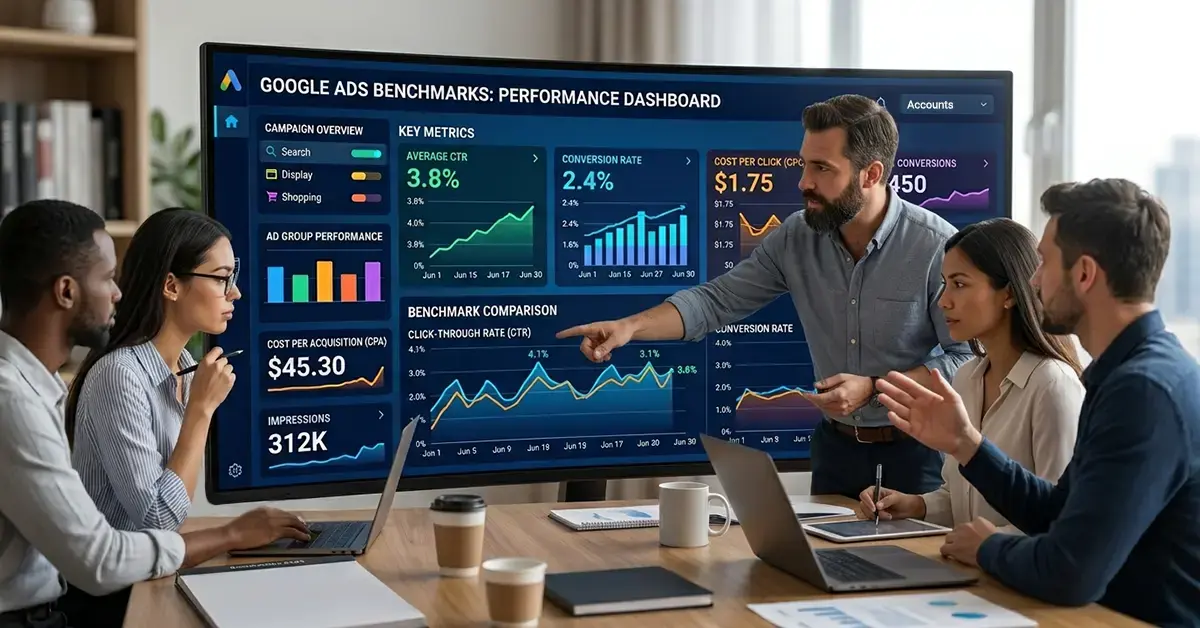
Google Ads Benchmarks: What Are Good Click-Through and Conversion Rates?

One of the most common questions businesses ask after launching a Google Ads campaign is whether their numbers are good. Click-through rates,...

Read More