
<img height="1" width="1" style="display:none" src="https://www.facebook.com/tr?id=2559878820911712&amp;ev=PageView&amp;noscript=1">
Skip to the main content.
Digital Services

   Web Services

    Website Design
    Web Hosting
    Website Refresh™
    Search Engine Optimization

   Paid Advertising

    Google Ads Management
    Facebook Ads Management


   Service Bundles

    For Small Companies
    For Growing Companies
    For Established Companies

Agency Services

builds brand awareness icon Branding
multi-platform advertising icon Media Buying
graphic design icon Graphic Design
copywriting icon Copywriting
Builds trust with your audience icon Public Relations


2 min read

Inbound Marketing vs. Content Marketing

Inbound Marketing vs. Content Marketing
4:41

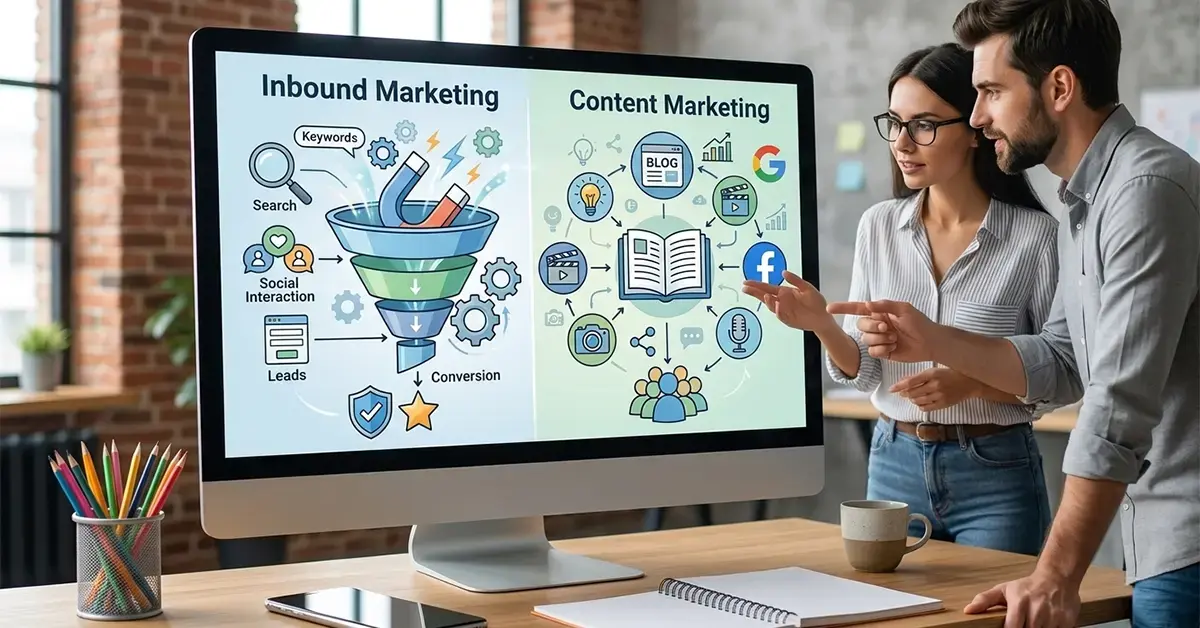
Inbound marketing and content marketing are often used interchangeably, but they are not the same. The difference helps you build a more intentional strategy and understand how each piece of your marketing fits into the bigger picture. If you are new to inbound marketing, our overview of what inbound marketing is and why it matters is a good place to start.

What Is Inbound Marketing?

Inbound marketing is a broader strategy that uses content, among other tools, to attract, engage, and convert leads. It encompasses the full journey a potential customer takes from first discovering your brand to becoming a paying client. Content marketing is one of the primary drivers of inbound, but inbound also includes:

  • Search engine optimization and landing pages
  • Email marketing and lead nurturing
  • PPC/paid advertising
  • Conversion optimization and marketing automation

Think of content marketing as one of the most important tools within an inbound strategy. You can produce great content without a full inbound strategy in place, but a strong inbound strategy almost always relies on great content to fuel it.

What Is Content Marketing?

Content marketing is the practice of creating and distributing valuable, relevant content to attract and engage a defined audience. Common forms of content marketing include:

  • Blog posts, guides, and infographics
  • Videos, podcasts, and webinars
  • Social media posts and email newsletters

The goal is to provide your audience with useful information that builds trust, demonstrates expertise, and keeps your brand visible over time. Content marketing is focused on the content itself: what you create, how often you publish, and whether it resonates with your audience. 

It is a discipline within marketing that can be used in a variety of contexts, both inbound and outbound.

How Inbound and Content Marketing Work Together

Content marketing and inbound marketing are most effective when they share the same goals. Content attracts visitors by answering questions and addressing the topics your audience is actively searching for. Inbound strategy then moves those visitors through a process designed to convert interest into action.

For example, a business might publish a blog post optimized for search to attract visitors. That blog post includes a call to action that leads to a downloadable guide. The guide requires an email address, which then triggers a nurture sequence designed to build trust and encourage a consultation. Each of those steps involves content, but the system connecting them is inbound marketing.

Content Without Strategy Only Goes So Far

Producing content without an inbound framework in place is one of the most common gaps businesses run into. You can publish blog posts, share videos, and stay active on social media without a full inbound strategy. Still, the results tend to plateau quickly because there is no system in place to capture and convert the interest your content generates.

A few signs your content is not yet connected to your inbound strategy:

  • Your content does not include clear calls to action that guide readers toward the next step
  • Traffic is coming in, but not converting into leads, form fills, or inquiries
  • There is no follow-up sequence in place once someone engages with your content
  • Your content topics are not tied to the keywords or questions your audience is actively searching for

When content and inbound strategy are aligned, each piece of content serves a purpose beyond publishing. It attracts the right audience, moves them toward an action, and feeds into a system designed to turn that interest into real business results.

What Happens When Content and Strategy Aren’t Connected

Treating content marketing and inbound marketing as the same thing can lead to a strategy that produces content without a clear plan for next steps.

Businesses that invest in content but lack an inbound framework often struggle to connect their publishing efforts to actual leads or revenue.

A digital marketing agency in Richmond, VA, can help ensure your content is not only produced but also works within a system designed to generate results. Inbound marketing is most effective when content and strategy are built together from the start.

Ready to Turn Your Content Into a Lead Generation Tool?

Advanté-BCS helps businesses develop content marketing strategies that are connected to real inbound goals. Request a quote online or call (804) 788-0048 to talk through how your content can work harder for your business.

What Is Inbound Marketing and Why Is It Important?

1 min read

What Is Inbound Marketing and Why Is It Important?

Think about the last time you searched online for a product or service. You trusted the company that provided clear, helpful information before...

Read More
Inbound Marketing vs. SEO

1 min read

Inbound Marketing vs. SEO

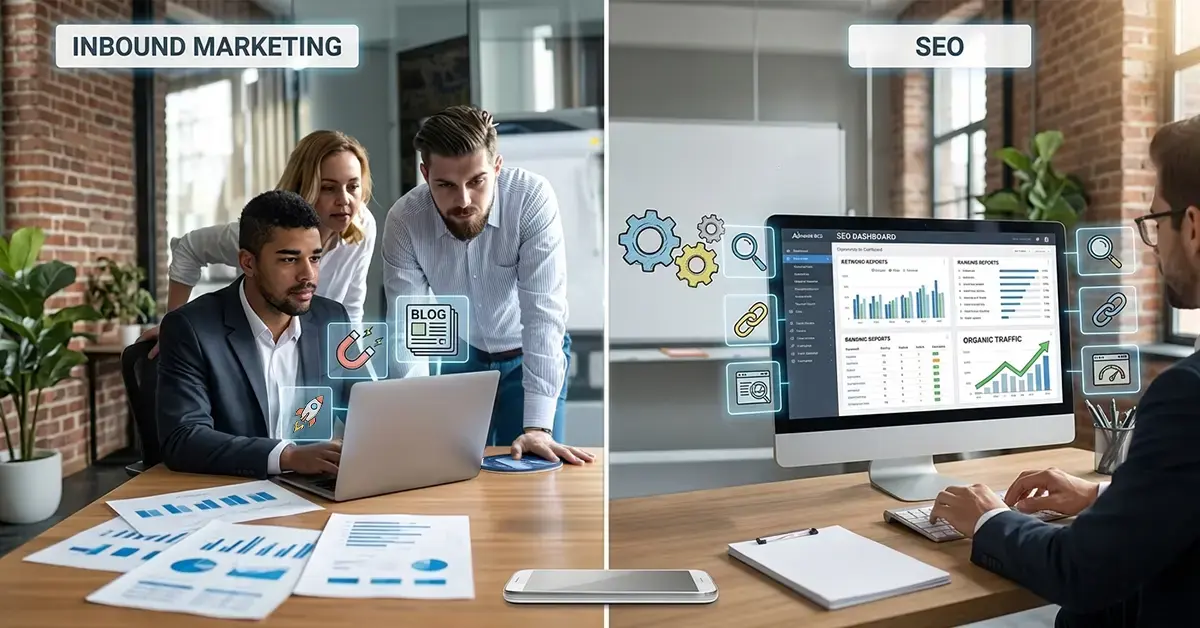
Inbound marketing and search engine optimization are two of the most talked-about strategies in digital marketing, and for good reason. Both focus on...

Read More
Inbound Marketing Advantages

1 min read

Inbound Marketing Advantages

Businesses have more marketing options available to them today than ever before, which makes it increasingly important to invest in strategies that...

Read More