
Advanté-BCS Launches a New Ad Reporting Dashboard
 Team Advanté-BCS : January 28, 2026
View Google Ads and Facebook Ads results in one clear dashboard. Advanté-BCS gives you simple, client-focused digital ad reporting you can trust.

 |
Branding |
 |
Media Buying |
 |
Graphic Design |
 |
Copywriting |
 |
Public Relations |
2 min read

One of the most common challenges businesses face with inbound marketing is knowing whether it is actually working. Traffic numbers and social media engagement are easy to track, but they do not always tell the full story. Measuring inbound marketing success means looking at metrics that connect your efforts to real business outcomes, not just activity.
Organic traffic is one of the first indicators of inbound marketing performance, and it is a reasonable place to start. If your content is attracting more visitors over time, that is a sign your SEO and content efforts are gaining traction. However, traffic alone does not confirm that your strategy is generating value. A spike in visitors means little if those visitors are not engaging with your content or taking any action.
More useful traffic metrics to track alongside visitor numbers include:
Converting visitors into leads is where inbound marketing begins to demonstrate its direct impact on business growth. The metrics to focus on here include conversion rate, number of leads generated per month, and cost per lead. These numbers tell you how effectively your content and landing pages are turning traffic into actionable contacts.
Tracking lead quality is just as important as lead volume. A high number of leads that never convert into customers may indicate a mismatch between the audience your content is attracting and the audience most likely to buy.
Working with an inbound marketing partner helps ensure your lead generation efforts are attracting your target audience, not just more people.
Ultimately, the success of inbound marketing should be measured by its contribution to customer acquisition. Metrics like close rate, customer acquisition cost, and revenue attributed to inbound channels connect your marketing efforts directly to business results.
These numbers require tracking leads through the full sales process, which means your CRM and marketing tools need to be set up to capture that data from the start.
Content performance metrics help you understand which pieces of content are doing the most work. Blog posts that consistently drive organic traffic, generate leads, or earn backlinks are high-value assets worth building on. Content that attracts traffic but produces no conversions may need to be revised or paired with a stronger call to action.
Useful content metrics to track include:
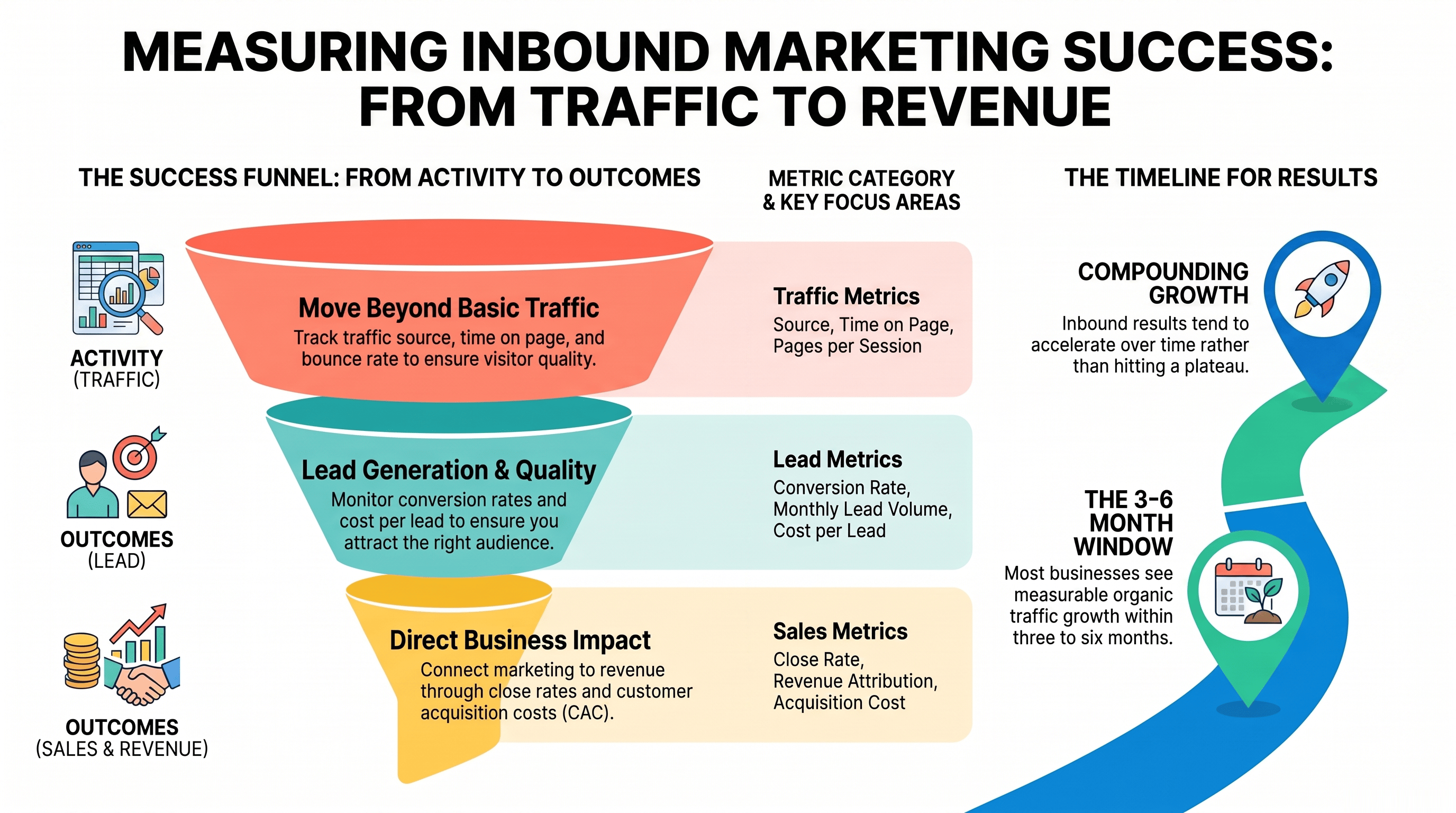
Infographic describing How to Measure the Success of Inbound Marketing
Inbound marketing is a long-term strategy, and the timeline for results varies based on factors such as your industry, competition, content quality, and how consistently you publish. Most businesses begin to see measurable organic traffic growth within three to six months of a focused inbound effort, with lead generation results typically following as content volume and authority build.
The compounding nature of inbound means results tend to accelerate over time rather than plateau. A digital marketing agency in Richmond, VA that manages your inbound strategy will track performance consistently and use that data to refine and improve your approach on an ongoing basis.
Advanté-BCS helps businesses build inbound marketing strategies with clear goals, trackable metrics, and reporting that connects effort to outcomes. Request a quote online or call (804) 788-0048 to get started.
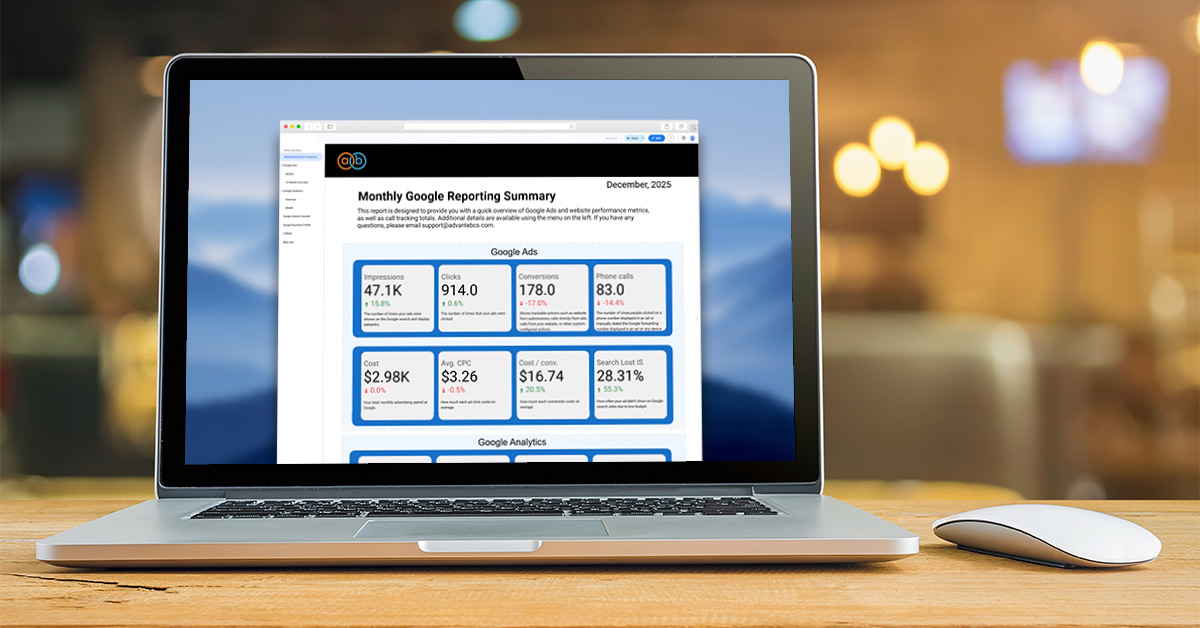 Team Advanté-BCS : January 28, 2026
View Google Ads and Facebook Ads results in one clear dashboard. Advanté-BCS gives you simple, client-focused digital ad reporting you can trust.
 Team Advanté-BCS : March 29, 2026
Inbound marketing builds trust, attracts qualified leads, and delivers long-term results. Learn why more businesses are making it a core part of...
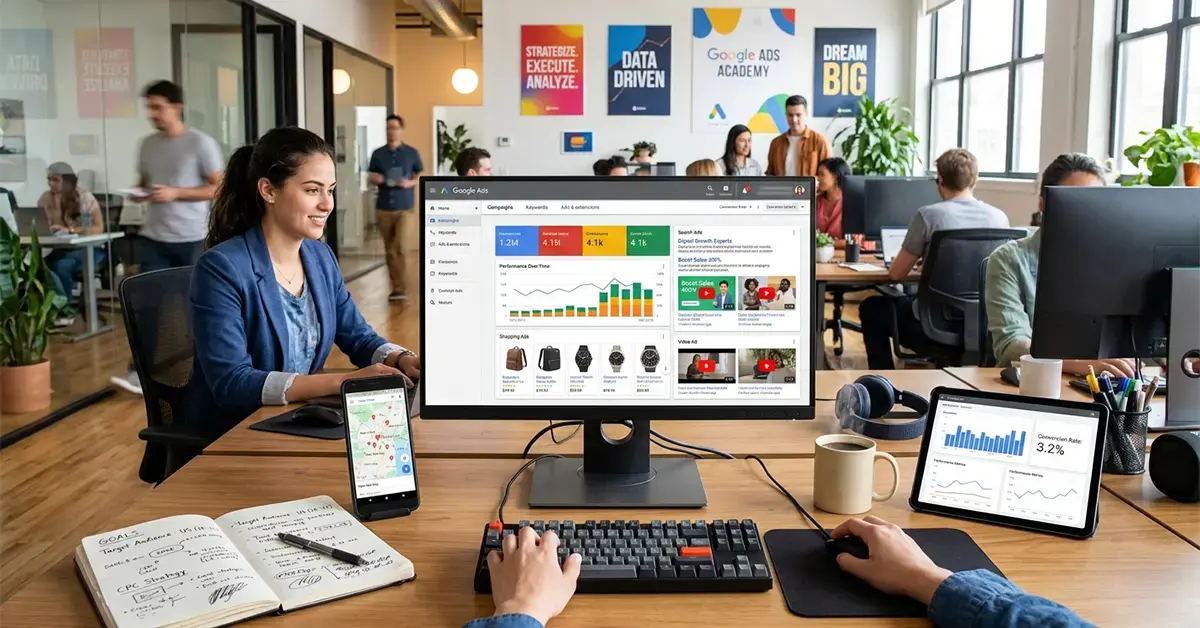 Team Advanté-BCS : April 5, 2026
Google Ads connects your business with people already searching for what you offer. Learn how the platform works, what drives results, and how to get...