As AI tools become a primary way people find information online, two newer optimization strategies have entered the conversation alongside traditional SEO. Generative Engine Optimization (GEO) and Answer Engine Optimization (AEO) both aim to help businesses appear where users are looking for answers, but they target different types of platforms and require different content strategies.
If you have already started investing in one of these approaches, or if you are comparing them for the first time, it helps to understand what sets them apart and how each one supports your broader search strategy.
What Is Generative Engine Optimization?
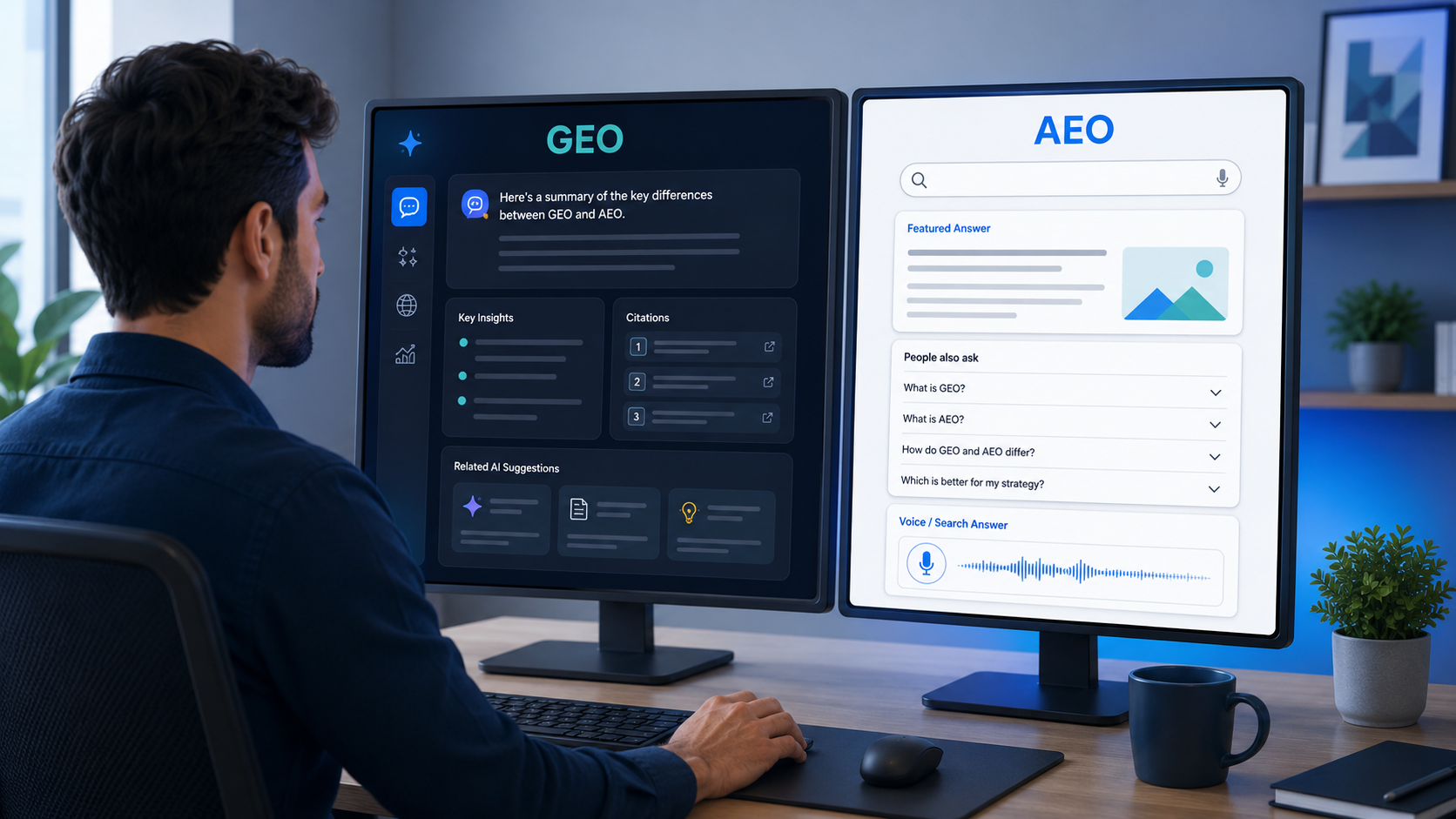
Generative Engine Optimization (GEO) is the practice of optimizing content so it is more likely to be referenced or cited in AI-generated responses. These responses appear in tools like Google's AI Overviews, ChatGPT, Perplexity, and other platforms that synthesize information from multiple sources into a single answer.
When someone asks an AI tool a question, the tool pulls from indexed content across the web and generates a response. GEO focuses on making your content the type of source that AI models select when building those answers. This means the content needs to be accurate, well-structured, and sufficiently authoritative to serve as a reliable reference.
Unlike traditional search results where a user sees your page title and clicks through, GEO often means your content is paraphrased or summarized without a direct link. The goal is to be present in the answer itself, which requires a different approach to how content is written and organized.
What Is Answer Engine Optimization?
Answer Engine Optimization (AEO) focuses on positioning content to appear as direct answers within search engine results. This includes featured snippets, knowledge panels, People Also Ask boxes, and voice search responses.
AEO targets the structured answer formats that search engines already use to surface quick responses at the top of results pages. When a user asks "what is a meta description" or "how does local SEO work," the answer that appears in a featured snippet or voice result is typically pulled from a single source and displayed prominently.
To perform well in these placements, content needs to answer searchable questions clearly and concisely. Structured data, FAQ schema, and well-organized headings all help search engines identify and extract the right information. AEO also accounts for how voice assistants like Siri, Alexa, and Google Assistant select and read answers aloud, which favors short, precise responses.
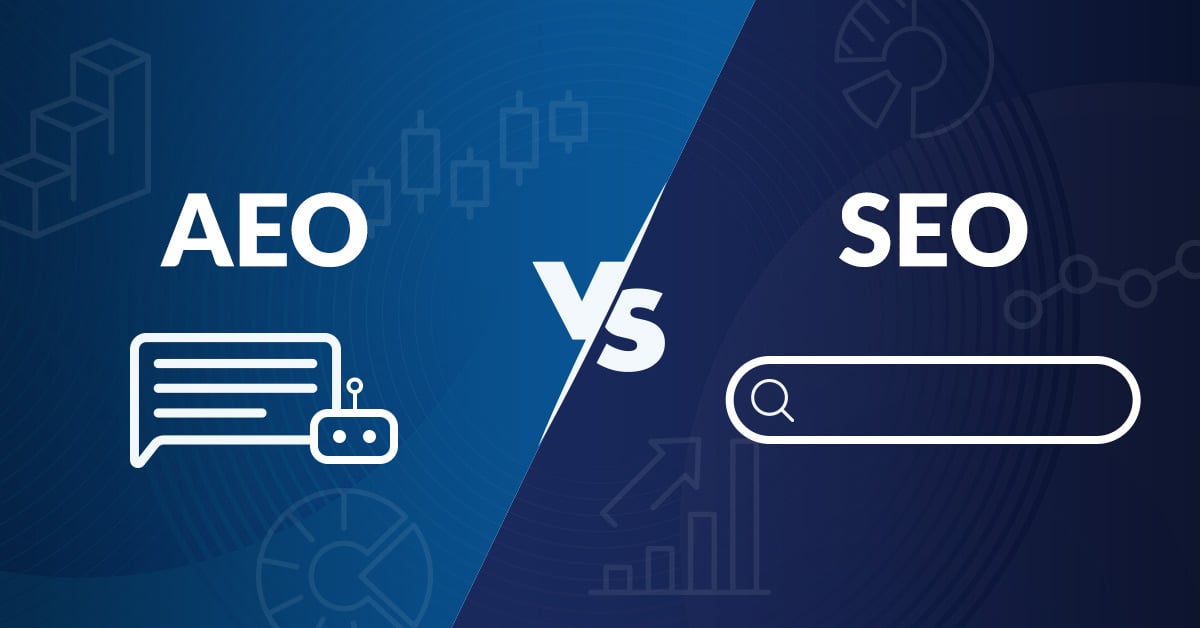
The distinction between AEO and traditional SEO is that AEO is not just about ranking on a results page. It is about being selected as the answer, which requires content that is formatted for extraction and written with specific user questions in mind.
How GEO and AEO Target Different Platforms
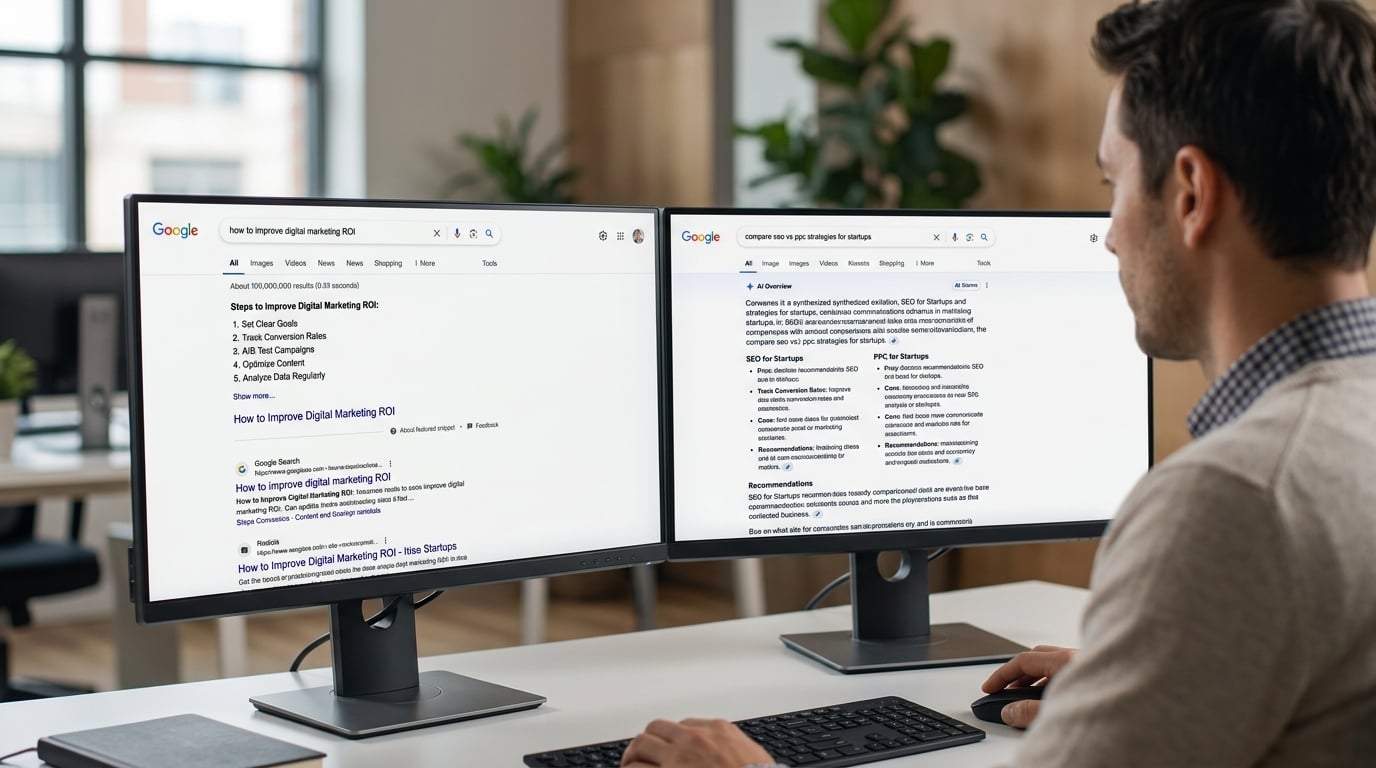
While both GEO and AEO focus on answer-driven visibility, they operate in different environments and follow different selection processes.
- GEO targets generative AI platforms that synthesize responses from multiple sources, such as Google AI Overviews, ChatGPT, and Perplexity
- AEO targets traditional search engine features like featured snippets, knowledge panels, and voice search results
- GEO content is paraphrased or summarized across sources, while AEO content is typically pulled directly from a single page
- GEO rewards depth, authority, and citation-worthiness, while AEO rewards clarity, structure, and direct answers to specific questions
These differences affect how you write, format, and distribute content depending on which platforms matter most to your audience.
What Makes Content Perform Well for GEO?
Content that performs well in generative AI results tends to share a few characteristics that set it apart from content optimized purely for traditional search rankings.
AI models favor sources that demonstrate subject matter expertise and present information with enough depth to be useful as a reference. Pages that include original data, specific examples, and clear explanations tend to be cited more frequently in AI-generated answers. Content that simply restates commonly available information without adding anything new is less likely to be selected.
Generative AI platforms evaluate trust signals, including domain authority, content freshness, and how consistently a site covers a given topic. A business that regularly publishes accurate, well-organized content on a specific subject is more likely to be treated as a trusted source over time.
For businesses working with a digital marketing agency in Richmond, VA, GEO introduces a new layer of content strategy that goes beyond keyword targeting. It requires thinking about how AI models interpret and reference your content, not just how users find it through a traditional search.
What Makes Content Perform Well for AEO
AEO success depends on how content is structured and whether it directly addresses the types of questions users are asking. Search engines look for content that provides a clear, concise answer near the top of a section, often under a heading that mirrors the question itself.
- Use question-based headings that match common search queries
- Provide a direct answer within the first one to two sentences under each heading
- Apply FAQ schema and structured data markup to help search engines identify answer-ready content
- Keep answer sections focused and avoid burying the response within long paragraphs
AEO also benefits from ongoing keyword research into the specific questions your audience asks. Tools that surface People Also Ask queries and voice search trends can help identify opportunities where your content can fill gaps that competitors have not addressed.
How GEO and AEO Work Together
GEO and AEO complement each other when applied to the same content. A well-structured page that answers a specific question clearly for AEO while also providing the depth and authority that AI models look for with GEO is positioned to perform across both traditional and generative search engines.
The overlap is in content quality. Both approaches reward accuracy, clear structure, and relevance. Where they differ is in format and intent. AEO requires concise, extractable answers. GEO requires the kind of depth and originality that makes content worth citing.
For most businesses, the practical approach is to build content that serves both goals. Write pages that answer specific questions directly, then support those answers with enough context, data, and expertise that AI tools recognize the content as a credible source. This layered approach covers both the featured snippet at the top of a search results page and the AI-generated summary that may appear alongside or instead of traditional results.
Build a Search Strategy That Covers Every Platform
Search is no longer limited to a single results page, and your content strategy should reflect that. Whether users find your business through a featured snippet, a voice search response, or an AI-generated answer, the content needs to be accurate, well-structured, and built to perform across platforms.
Advanté-BCS helps businesses develop search strategies that account for both traditional and AI-driven search experiences. Our team focuses on search engine optimization, content strategy, and visibility across the platforms your audience actually uses.
Request a quote online or contact us by calling (804) 788-0048 to get started.